
+86 138-8985-0231/+86 138-9812-5732

Textile scouring removes oils, waxes, processing residues and other impurities from fibers or fabrics before subsequent processing. The choice of surfactant can influence how the treatment bath wets the material, interacts with oily residues and rinses from the substrate.
AEO surfactants, also known as fatty alcohol ethoxylates, are nonionic surfactants used in industrial formulations. Depending on the grade and formulation, they may be considered for textile wetting, cleaning, scouring or related processing applications.
Selecting an AEO grade requires more than checking its product name. The fiber, the type of residue, bath conditions and the full chemical system all affect the result. This article outlines a practical way to evaluate AEO surfactants for textile scouring.
Textile materials may carry natural oils, waxes, spinning oils, lubricants, sizing residues or other contaminants. Scouring is used to remove or reduce these materials before processes such as dyeing or finishing.
The required cleaning result varies by substrate and production process. A treatment suitable for one fiber or fabric construction may not give the same result with another. Formulators and textile processors should define the purpose of the scouring step before choosing a surfactant.
Typical evaluation goals may include:
AEO surfactants contain a fatty alcohol portion and a polyoxyethylene chain. This structure gives them both oil-affine and water-affine characteristics. The relative balance depends on the specific grade.
In a textile scouring bath, a suitable surfactant may help the liquid spread across the material and interact with oily residues. The surfactant’s performance depends on the formulation and operating conditions, so no single AEO grade should be assumed to work for every fiber, soil type or process.
AEO-3 and AEO-9 have different ethoxylation levels and product properties. Their selection should be based on the needs of the intended system and confirmed with sample testing.
Before comparing surfactants, record the factors that shape the scouring process:
These details help make comparisons useful. If the fiber, bath conditions or residue changes between trials, it becomes more difficult to identify why one sample behaves differently from another.
Wetting is one of the first properties to assess. Poor wetting can make treatment uneven, especially when the fabric contains hydrophobic oils or has a dense construction.
During a controlled test, observe how quickly and evenly the bath contacts the textile. Look for areas that remain dry or appear inconsistently treated. Compare samples using the same fabric, bath preparation and treatment conditions.
A visual observation can be useful for screening, but it should be interpreted alongside the requirements of the actual production process. A result on a small fabric swatch may not fully predict performance on a larger production line.
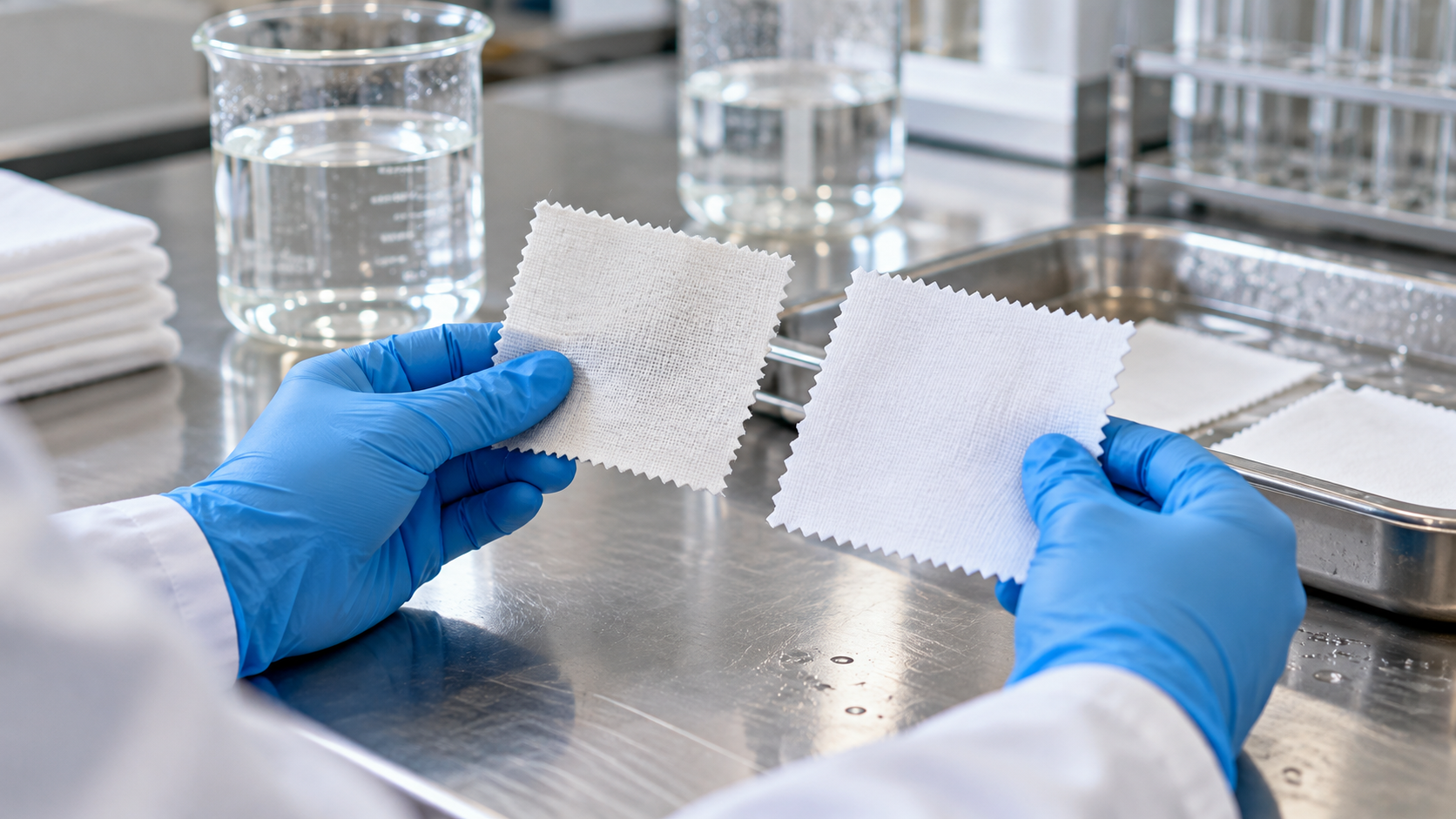
The scouring objective is not simply to create a uniform bath. The process must also address the residues present on the textile.
A useful evaluation should compare the treated fabric with an untreated sample and, where possible, a reference formulation. Depending on the process, the team may assess changes in surface appearance, feel, wettability or another agreed internal quality measure.
Keep the test conditions consistent. Use the same substrate, residue type, treatment time, temperature and rinsing procedure for each comparison. This makes it easier to determine whether a change in formulation contributed to the observed result.
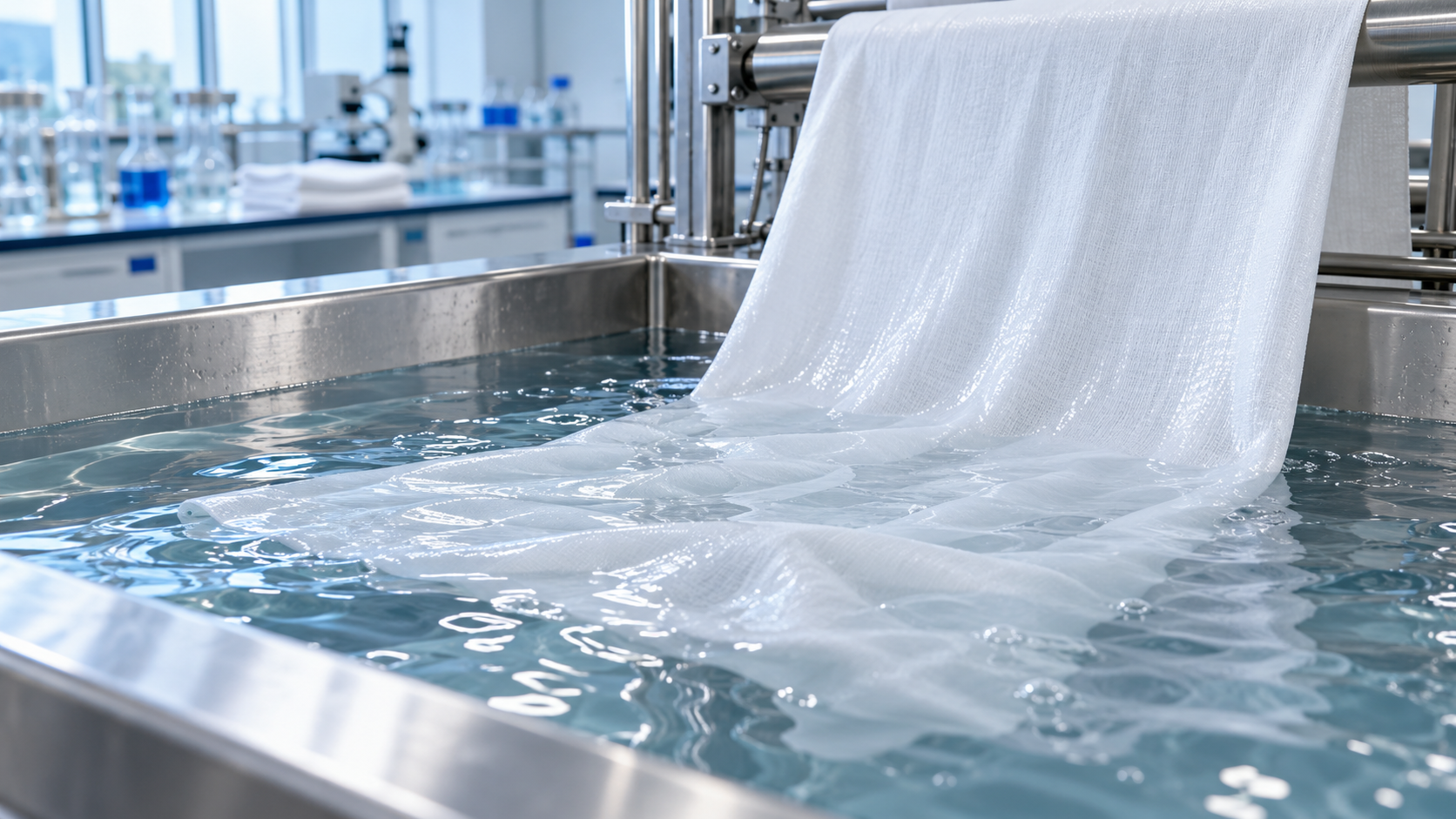
A surfactant is used within a bath that may contain other processing chemicals. Compatibility should therefore be checked in the intended formulation rather than inferred from the AEO grade alone.
During preparation and treatment, note whether the bath remains uniform and easy to handle. Record any visible separation, excessive deposits, changes in appearance or other unexpected behavior. If the formulation includes multiple surfactants or auxiliaries, evaluate them together under the same mixing conditions used for the process.
Water quality can also affect the behavior of a bath. If the textile process uses water with varying characteristics, include representative water conditions in the evaluation plan.
A scouring evaluation should include the rinsing step. Residual surfactant or dispersed soil may influence later processing, so it is useful to observe how the treated textile behaves after rinsing.
Compare the rinsed samples under the same conditions. Record whether the material appears evenly rinsed and whether any visible residue remains. The appropriate assessment depends on the fabric, production requirements and subsequent process.
Rinsing behavior should be reviewed together with wetting and cleaning results. Optimizing one observation in isolation may not provide a complete picture of process suitability.
A structured comparison can help reduce uncertainty before a larger process trial:
The objective of an initial laboratory test is to identify candidates for further evaluation. Final selection should be based on the applicable process requirements and results from representative testing.
Fabric construction and fiber type can affect wetting and cleaning. Compare formulations using the same substrate whenever possible.
If the AEO grade, concentration and bath conditions all change together, the source of a performance difference is difficult to identify.
A uniform-looking bath does not necessarily show how the textile was treated. Include observations of the substrate and the rinsed sample.
Different residues, fibers and production conditions may call for different formulation approaches. Confirm suitability through testing in the intended system.
AEO grades may be considered for textile wetting and cleaning formulations, depending on product properties and process requirements. The intended application should be confirmed through formulation testing.
There is no single answer for every process. The grades have different properties, and the preferred option depends on the fiber, residue, bath composition and required result.
A useful comparison may include wetting behavior, removal of the relevant residues, bath compatibility and rinsing behavior. Keep the test conditions consistent so the results can be interpreted.
Provide the intended textile application, fiber type, process conditions, required quantity and any relevant product specification or test requirements.
Evaluating AEO surfactants for textile scouring requires a clear process objective and consistent testing conditions. Wetting, residue removal, bath compatibility and rinsing should be considered together.
AEO-3 and AEO-9 can be screened as different formulation options, but the grade name alone does not establish suitability. Testing with the intended textile, bath composition and process conditions provides a more useful basis for selection.
Contact Us
Email:sales01@xzhch.com
Phone:+86 138-8985-0231/+86 138-9812-5732
WeChat:+86 138-8985-0231/+86 138-9812-5732
Whatsapp:+86 138-8985-0231/+86 138-9812-5732
Address:No. 33, Naner Road, Heping District, Shenyang, Liaoning, China
Copyright © 2002-2025 Powered by EyouCms 备案号:辽ICP备12007065号-1