
+86 138-8985-0231/+86 138-9812-5732

A film on a surface after cleaning can be frustrating, especially when the cleaner appears to remove the visible soil. The residue may look oily, tacky, cloudy or powdery, and its appearance can vary with the substrate and process.
An AEO surfactant may be one component in an industrial cleaning formulation, but a visible film does not automatically mean that the surfactant is the cause. The residue may come from the surfactant system, loosened soil, other formulation ingredients, rinse water or the way the surface is dried.
This article outlines a practical approach to identifying possible causes and evaluating an AEO-based cleaner.
Start by describing what the film looks and feels like. A transparent oily layer, a white deposit and a sticky residue may point to different parts of the cleaning process.
Record:
This record helps distinguish a formulation issue from a rinsing or drying issue. Changing the surfactant immediately may not solve the problem if the visible material is actually loosened oil, mineral residue or another component.
Using more cleaner does not always improve the result. A higher concentration can increase the amount of material that needs to be removed during rinsing. The effect depends on the entire formula, the soil load and the process conditions.
Compare the current concentration with one or more lower test concentrations while keeping the other conditions the same. Observe both cleaning performance and the surface after rinsing. If the film decreases at a lower concentration without reducing the required cleaning result, the original concentration may need review.
The correct concentration should be established for the intended application. It should not be transferred automatically between different substrates, soils or cleaning equipment.
A cleaner may remove soil from a surface but still leave a problem if the bath cannot keep the loosened material dispersed or if the bath is already heavily loaded.
Check whether the film occurs:
Oil, grease, polishing compounds and other residues can affect the behavior of a cleaning bath. If the bath is reused, keep a record of its operating history and compare a fresh-bath sample with a sample taken from production. This can help determine whether the issue develops as soil accumulates.
Rinse water is part of the cleaning process. Mineral content, dissolved salts, water temperature, spray coverage and the number of rinse stages can all affect what remains on a surface after cleaning.
If a film appears after the rinse, compare samples using the current rinse water and a consistent reference water source, where appropriate for the process. Keep the cleaner, substrate and cleaning conditions unchanged. A difference between the rinse results may indicate that water quality or rinsing conditions need further evaluation.
Also check practical factors such as:
These checks can help identify process-related causes without changing the cleaner formula unnecessarily.
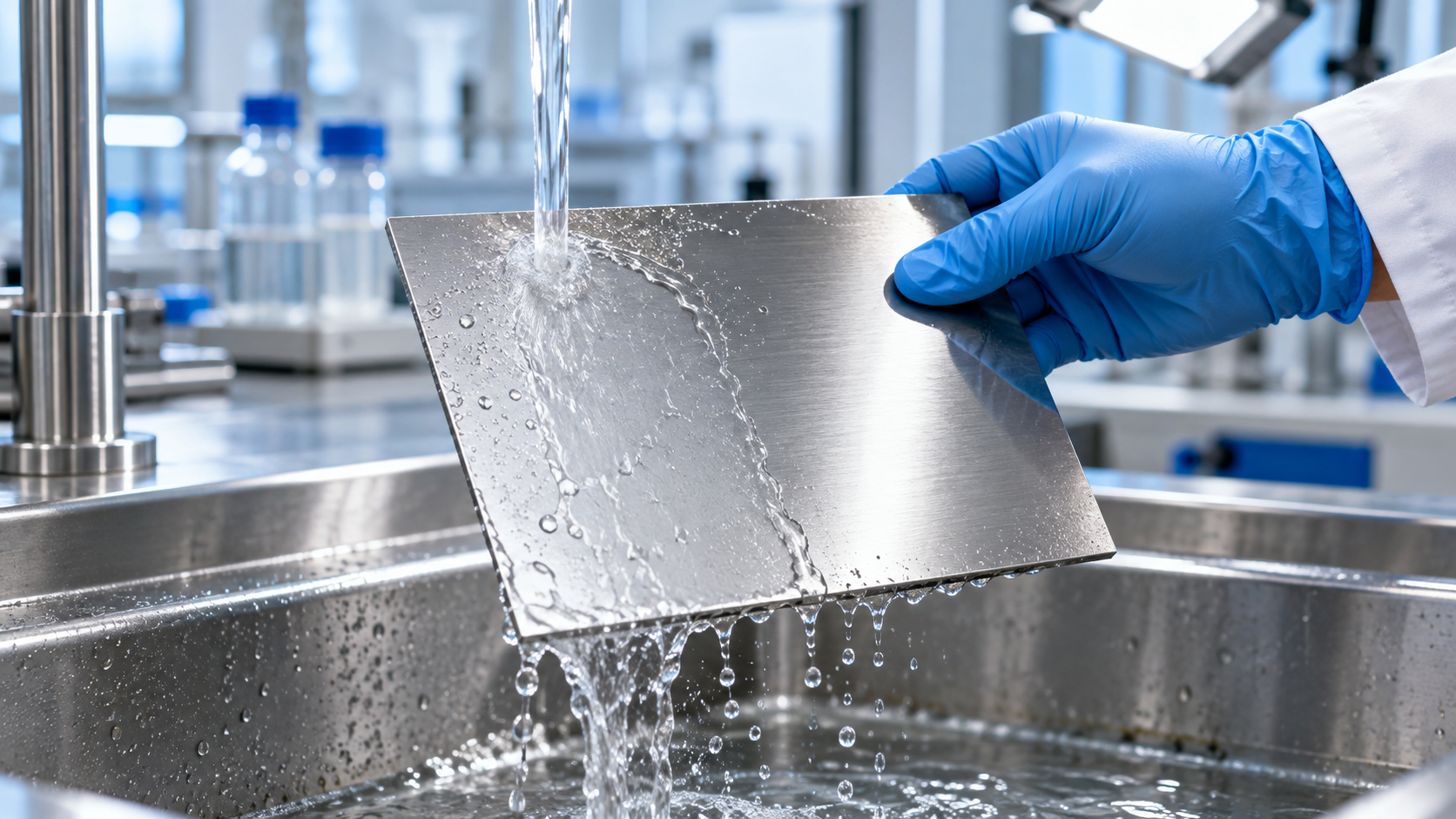
AEO surfactants may be used in industrial cleaners for functions such as wetting, emulsification or detergency. Their behavior depends on the specific grade and the other components in the formulation.
If the formula contains several surfactants, solvents, builders or other additives, evaluate the complete system. A film may result from an interaction or balance issue in the finished formulation rather than from one ingredient on its own.
For a controlled comparison:
This approach makes it easier to understand whether a change in the AEO grade or concentration affected the result.
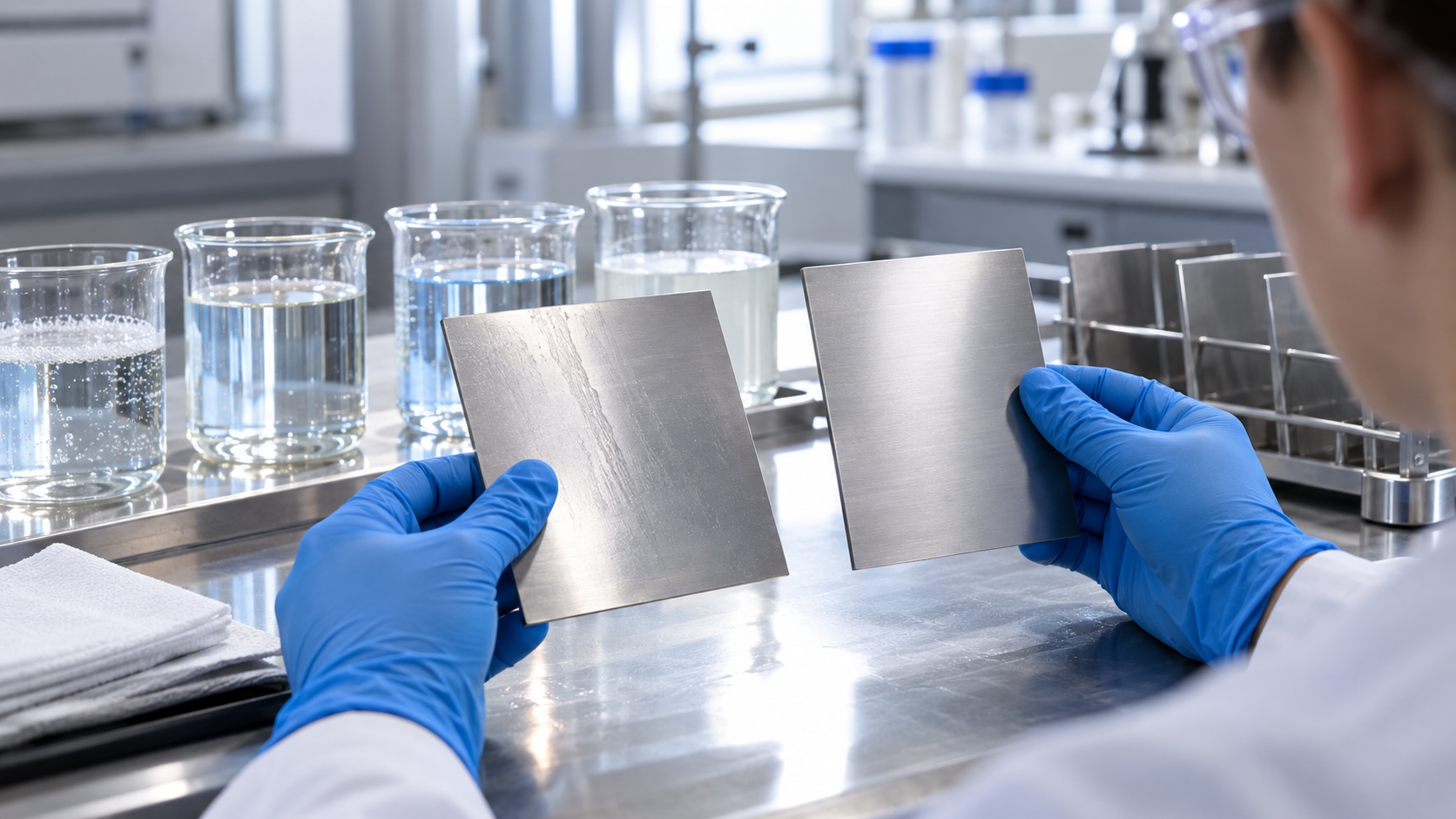
AEO-3 and AEO-9 are different grades and should not be treated as direct, one-for-one replacements in every formula. Their properties and behavior in a finished cleaner depend on the product specification and the other ingredients present.
When comparing grades, consider more than the initial appearance of the concentrated cleaner. Evaluate the product at its use concentration and under the actual cleaning and rinsing conditions. Relevant observations may include:
A sample test in the finished formulation gives more useful information than selecting a grade based only on its name.
Sometimes the surface appears acceptable while wet, but a film becomes visible after drying. This may happen because water evaporates and leaves behind material that was present in the rinse or on the surface.
Compare the part immediately after rinsing and again after drying. If the film becomes visible only after drying, review the rinse water, drainage and drying process as well as the formulation. Keep the drying conditions consistent during trials.
This distinction is useful because a change to the surfactant may not address residue introduced or concentrated during the final rinse or drying step.
A practical investigation can follow this sequence:
A test record should include the formula, concentrations, water source, temperatures, cleaning time, agitation, rinse conditions and observations. Consistent records help the formulation team compare results over time.
The residue may come from soil, rinse water, bath age or drying. Review the full process before replacing a raw material.
If the surfactant, solvent and builder are all changed together, it becomes difficult to identify which change affected the result.
A clear or uniform concentrate does not establish how the cleaner will perform at use concentration or after rinsing.
A fresh-bath result may not represent a production bath that has been used repeatedly and has accumulated soil.
A change in rinse temperature, water source or drainage can affect the result. Keep these conditions consistent when comparing formulas.
No. The film may be related to the soil load, formulation balance, rinse water, bath condition or drying process. Test the full system before drawing a conclusion about the AEO grade.
It may help in some cases, but the result depends on the application. Compare several controlled test concentrations and confirm that cleaning performance remains suitable.
A water-only comparison can provide limited information about raw-material behavior. For formulation decisions, evaluate each grade in the intended cleaner and process conditions.
Record the substrate, soil, cleaner concentration, water source, temperature, cleaning time, agitation, rinse conditions, drying method and appearance of the surface before and after drying.
A film after rinsing an AEO-based industrial cleaner can have several possible causes. The AEO grade may be one factor, but concentration, soil load, formulation compatibility, water quality, rinsing and drying should also be reviewed.
A controlled trial that changes one major variable at a time can help identify the source of the residue. Evaluate the finished cleaner on the intended substrate and include the full rinse and drying sequence before making a formulation decision.
Contact Us
Email:sales01@xzhch.com
Phone:+86 138-8985-0231/+86 138-9812-5732
WeChat:+86 138-8985-0231/+86 138-9812-5732
Whatsapp:+86 138-8985-0231/+86 138-9812-5732
Address:No. 33, Naner Road, Heping District, Shenyang, Liaoning, China
Copyright © 2002-2025 Powered by EyouCms 备案号:辽ICP备12007065号-1