+86 138-8985-0231/+86 138-9812-5732

A cement grinding aid may perform well in one plant but show a different result after being used with another clinker source.
This does not necessarily mean the grinding aid itself has changed.
In many cases, the difference comes from the cement system.
Cement grinding is affected by many variables at the same time, including:
For this reason, a grinding aid formulation containing DEIPA, TIPA or other functional components should normally be evaluated together with the actual clinker and production conditions.
Clinker is produced from raw materials under high-temperature kiln conditions.
Although clinker from different plants may all be used to produce Portland cement, their chemical and mineral composition can differ.
Important clinker phases usually include:
The relative proportion and reactivity of these phases can influence:
Therefore, a grinding aid optimized for one clinker cannot automatically be assumed to behave the same way with another.
Grinding aids interact with cement particles during and after grinding.
The surface chemistry of clinker particles can vary depending on mineral composition.
This can change the way different organic components adsorb onto the particle surface.
For example, alkanolamines such as DEIPA and TIPA may interact differently with clinker systems having different proportions of silicate and aluminate phases.
The result may be reflected in:
The degree of change should be confirmed through comparative testing.
The aluminate phase of clinker can influence cement hydration and its interaction with gypsum.
When the C3A content changes, the balance between clinker, sulfate and chemical additives may also change.
This can affect:
Therefore, if the clinker source changes significantly, it may be useful to recheck the grinding aid formula rather than only adjusting the dosage.
Gypsum is added during cement grinding to regulate the reaction of the aluminate phase.
However, not all sulfate sources behave in the same way.
Cement plants may use different proportions of:
These materials have different dissolution behavior.
As a result, changing the sulfate source can influence:
This is one reason why a formula transferred from one plant to another may need adjustment.
Yes.
The relationship between clinker aluminate phases and available sulfate is important.
If the sulfate balance changes, the cement may show different hydration behavior.
A grinding aid formula that was previously suitable may then appear to perform differently even though the chemical additive itself has not changed.
Therefore, when investigating a change in grinding aid performance, gypsum dosage and sulfate form should be checked together with clinker composition.
Many cement products contain limestone as a mineral component.
Limestone can influence:
Its effect depends on content, fineness and interaction with other cement components.
If the limestone proportion changes, the same grinding aid dosage may no longer produce the same grinding or cement performance.
Composite cements may contain materials such as:
These additions differ from clinker in hardness, surface properties and chemical reactivity.
Therefore, they can change:
A grinding aid formulation developed for ordinary Portland cement may need to be reconsidered when the mineral addition level changes.
Not all clinker has the same resistance to grinding.
Clinker grindability can be influenced by:
Harder clinker may require different grinding conditions than softer clinker.
This means that a change in mill output cannot always be attributed to the grinding aid.
Before changing the chemical formulation, the plant should also check whether the clinker grindability has changed.
Yes.
Bulk chemical analysis does not describe every physical and mineralogical characteristic of clinker.
Two clinker samples may have similar oxide composition but differ in:
Therefore, laboratory chemical composition is useful, but it should be combined with actual grinding and cement testing.
Grinding aid performance is often evaluated at a certain target fineness.
If one plant produces a coarser cement and another produces a finer cement, the same chemical dosage may not give the same result.
Higher fineness generally means:
For a meaningful comparison, grinding aid trials should be conducted at similar target fineness.
Two cement samples can have similar Blaine values but different particle-size distributions.
For example, one sample may contain:
These differences can influence:
Therefore, grinding aid evaluation should not rely only on Blaine surface area.
Particle-size distribution can provide additional information.
Cement mill temperature can affect both physical grinding behavior and the condition of sulfate-containing materials.
At higher temperatures, gypsum may partially dehydrate.
This can influence the sulfate form present in the final cement.
Mill temperature may also affect:
If the mill temperature changes significantly between trials, comparing only grinding aid dosage may lead to an incomplete conclusion.
It can.
Seasonal changes may affect:
These factors may alter grinding conditions even when the grinding aid formulation remains unchanged.
Therefore, a seasonal performance change should not automatically be interpreted as a change in chemical quality.
The separator controls how fine particles are removed from the grinding circuit.
Changes in separator efficiency can influence:
If separator settings change during a grinding aid trial, the test result may reflect both chemical and mechanical changes.
For reliable comparison, mechanical operating conditions should be kept as consistent as possible.
Different cement plants may use:
The same grinding aid formulation may behave differently in different systems because the grinding mechanisms are not identical.
A formulation transferred from a ball mill to a vertical roller mill should therefore be evaluated again under the new operating conditions.
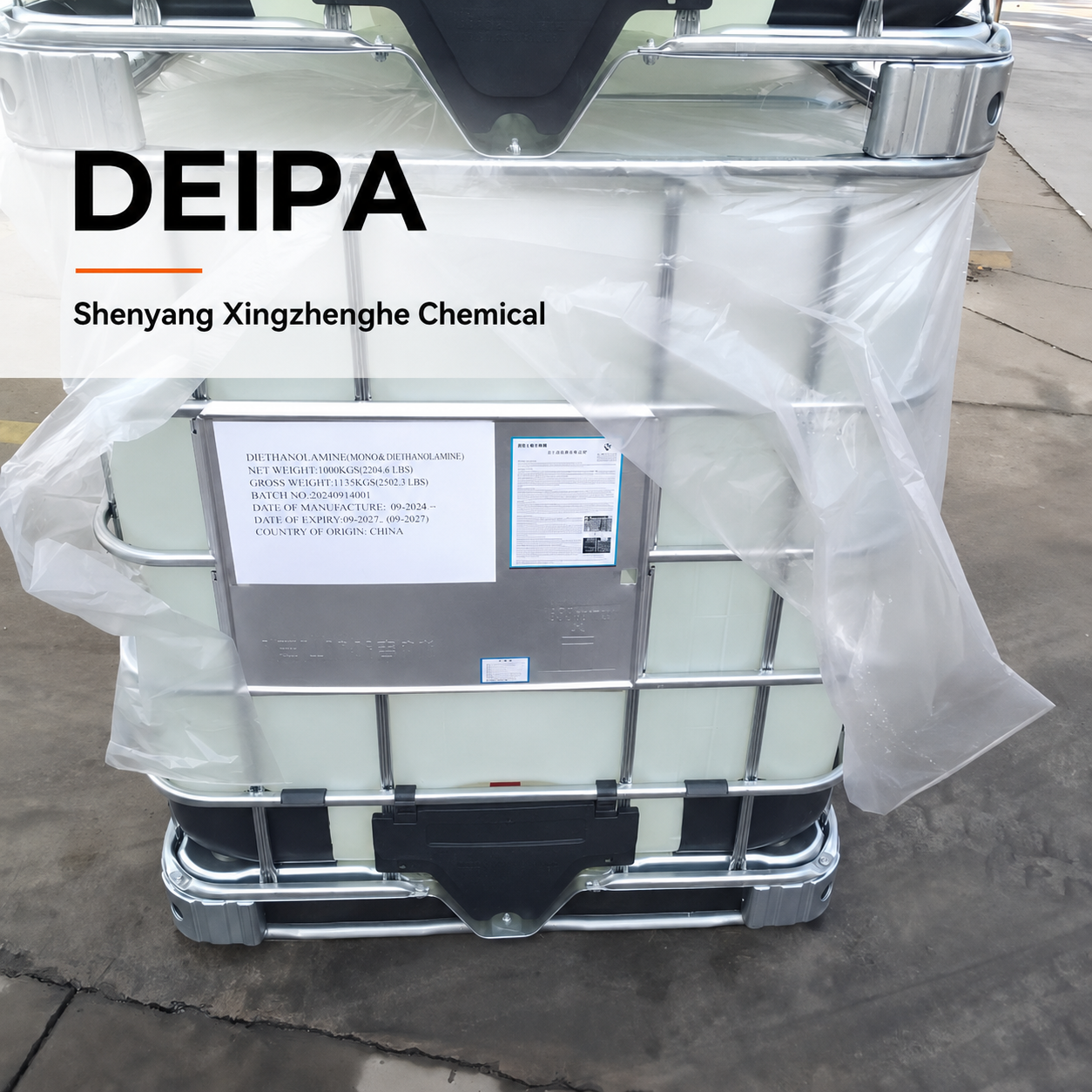
DEIPA and TIPA are alkanolamines used in some cement grinding aid formulations.
However, their performance should not be evaluated independently from the cement system.
The response of a DEIPA- or TIPA-containing formula may change with:
Therefore, asking:
“Which is better, DEIPA or TIPA?”
is often less useful than asking:
“Which formulation is more suitable for this clinker and this production target?”
A DEIPA-containing formula may show different results when clinker chemistry or sulfate balance changes.
Possible reasons include:
This does not necessarily mean that DEIPA is unsuitable.
It may mean that:
need to be adjusted.
The same principle applies to TIPA.
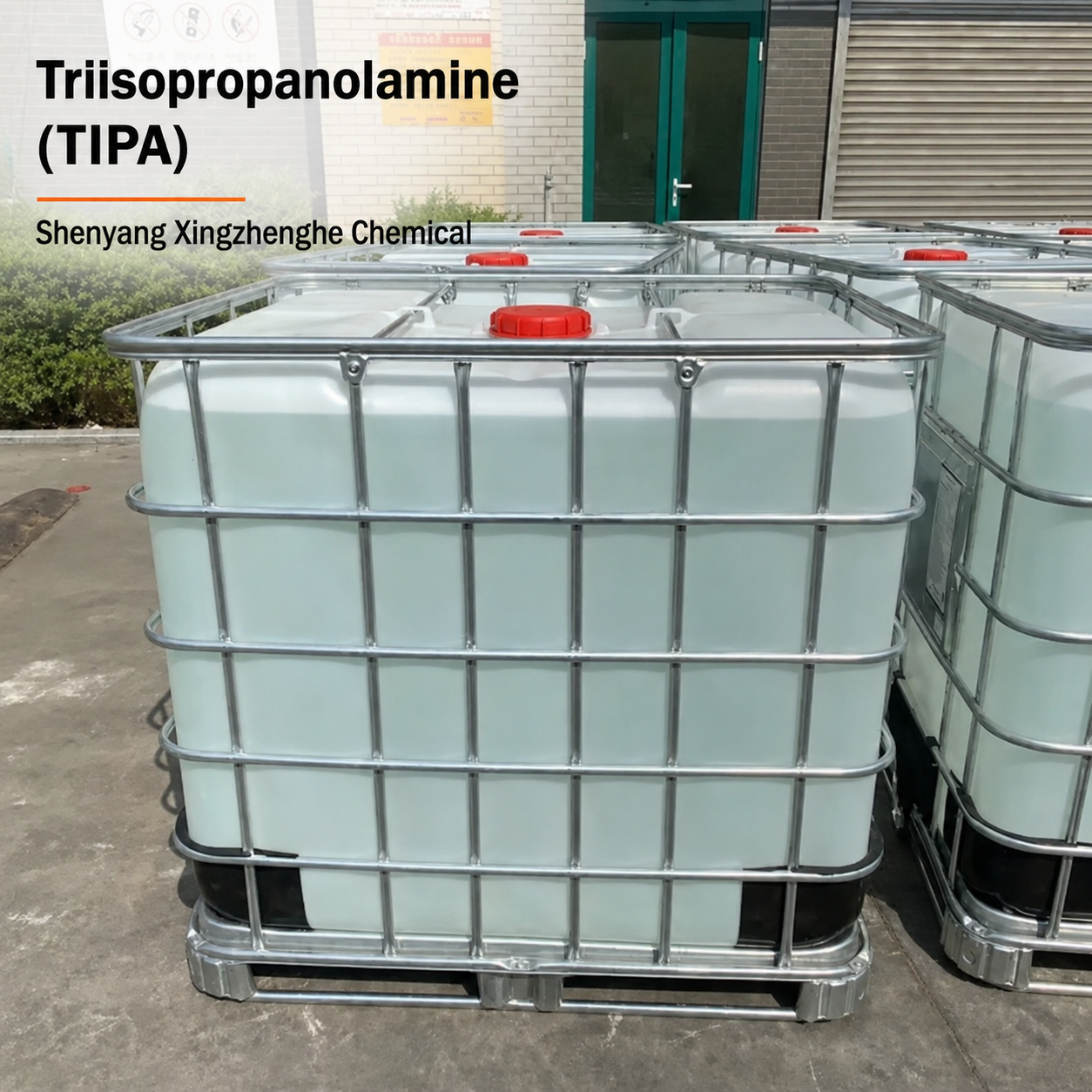
TIPA is not expected to produce exactly the same response in every cement.
Its effect can vary depending on:
For this reason, TIPA should be evaluated with the actual cement materials used by the customer.
Replacing one alkanolamine with another at the same dosage may not produce the same result.
DEIPA and TIPA differ in molecular structure.
Therefore, changing from one to another may influence:
A replacement trial should be designed as a new formulation comparison rather than a simple one-to-one substitution.
Not immediately.
Increasing dosage without identifying the cause may complicate the problem.
Before changing dosage, it is useful to check:
If the raw material or production condition changed, correcting the root cause may be more effective than simply increasing chemical dosage.
A dosage expressed as a percentage or grams per ton does not fully describe the chemical exposure of the cement.
The effective result can vary with:
Therefore, dosage should always be interpreted together with the formulation concentration and cement system.
A practical investigation can follow this order:
Confirm whether the clinker source or kiln conditions changed.
Confirm source, dosage and sulfate form.
Review limestone, slag or fly ash content.
Compare temperature, ventilation, feed rate and separator settings.
Review concentration and batch documentation.
Keep as many variables as possible unchanged.
This approach makes it easier to identify the real cause.
A blank test means grinding the cement without the chemical additive under the same or similar conditions.
This provides a reference point.
The grinding aid sample can then be compared against the blank.
Without a blank, it may be difficult to know whether a change comes from:
Depending on the plant objective, useful parameters may include:
Not every project requires every test.
The test plan should reflect the plant's actual production target.
If the plant changes:
at the same time, it becomes difficult to determine which change caused the result.
A controlled trial should change as few variables as practical.
This improves the reliability of the comparison.
Supplier recommendations can provide a starting point.
However, a cement plant has its own:
Therefore, plant-specific trial data is generally more useful than a universal dosage recommendation.
A supplier can support the evaluation by providing:
The cement plant can then conduct controlled testing using its actual clinker and grinding system.
Because clinker mineralogy, grindability, sulfate balance and surface chemistry can differ between plants. These differences may change grinding and hydration behavior.
It can. The response of DEIPA-containing grinding aid formulations may vary with clinker composition, gypsum, fineness and other process conditions.
Yes, TIPA performance can also vary with the cement system and should be evaluated with the actual clinker.
Not automatically. First check clinker grindability, mill conditions, separator settings, gypsum and grinding aid concentration.
A formula may need adjustment because cement plants differ in clinker, gypsum, mineral additions, equipment and production targets.
No. Blaine is useful, but particle-size distribution, mill output, energy use, setting and strength may also be relevant.
A blank provides a reference for comparing the actual effect of the grinding aid under similar conditions.
When a cement grinding aid performs differently after the clinker source changes, the problem should not be evaluated only from the chemical additive side.
The result may be influenced by a combination of:
clinker mineralogy + sulfate balance + mineral additions + grinding conditions + fineness + chemical formulation
DEIPA, TIPA and other grinding aid components should therefore be tested as part of the complete cement system.
A controlled comparison using the actual clinker is usually more informative than applying a fixed dosage or formulation from another plant.
Contact Us
Email:sales01@xzhch.com
Phone:+86 138-8985-0231/+86 138-9812-5732
WeChat:+86 138-8985-0231/+86 138-9812-5732
Whatsapp:+86 138-8985-0231/+86 138-9812-5732
Address:No. 33, Naner Road, Heping District, Shenyang, Liaoning, China
Copyright © 2002-2025 Powered by EyouCms 备案号:辽ICP备12007065号-1